
In office hysteroscopyc polypectomy with bipolar electrode
Hysteroscopy is a safe and effective method for resection of polyps under direct visualization. In recent years, the development ofContinue Reading

The Hysteroscopy Newsletter Blog is a new tool created to support all the hysteroscopists around the world, with the aim to facilitate an open communication and sharing of new ideas, details about procedures and innovation between all providers who are passionate for Hysteroscopy
Hysteroscopy is a safe and effective method for resection of polyps under direct visualization. In recent years, the development ofContinue Reading
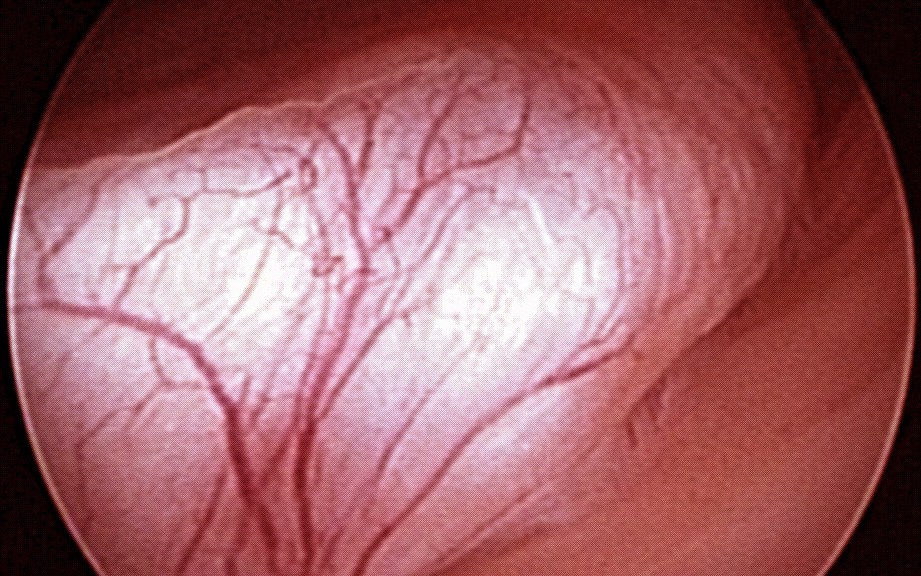
Endometrial polyps originate as focal hyperplasia of the basalis layer of the endometrium and become localized growths of endometrial tissueContinue Reading

Many epidemiological studies have linked the use of the intrauterine device with decreased risk of endometrial cancer. Tao MH, etContinue Reading

The objective of this approach, either by traditional laparoscopy or by robotic assisted technology, is the correction of the healingContinue Reading
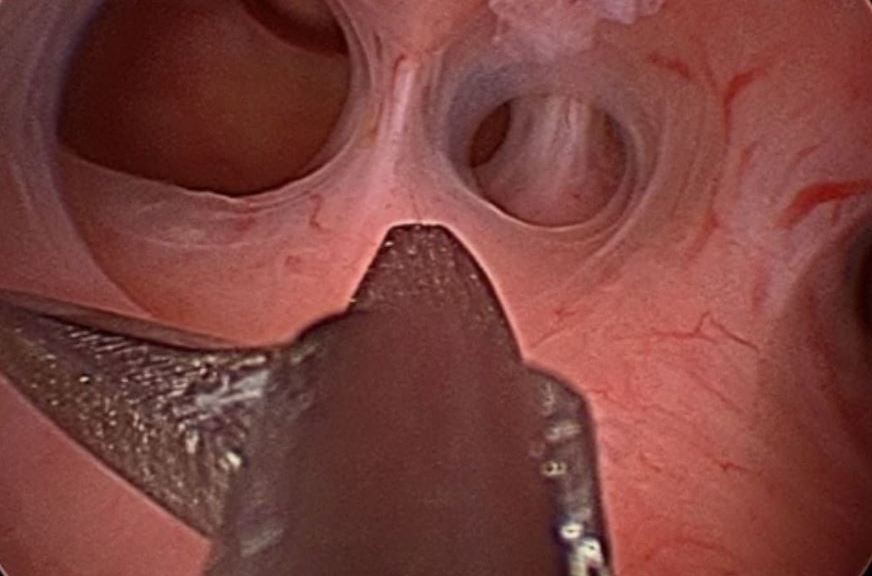
The first reference to the presence of intrauterine adhesions was made by Heinrich Fritsch in 1894 in a patient whoContinue Reading

Unicornuate uterus accounts for 4.4% of all uterine anomalies [1]. It is thought to arise from the failure in theContinue Reading
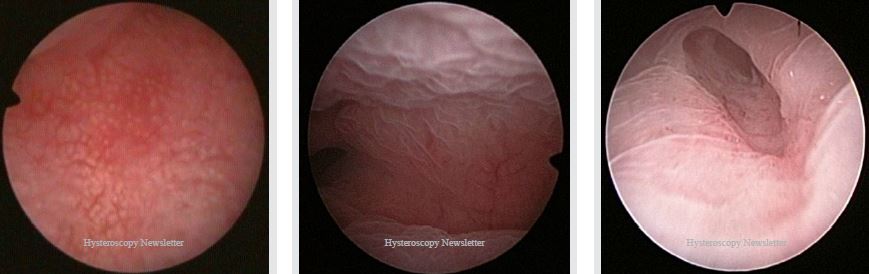
The endometrium has the ability to experience cyclical changes in response to different hormonal stimuli that occur during the menstrualContinue Reading
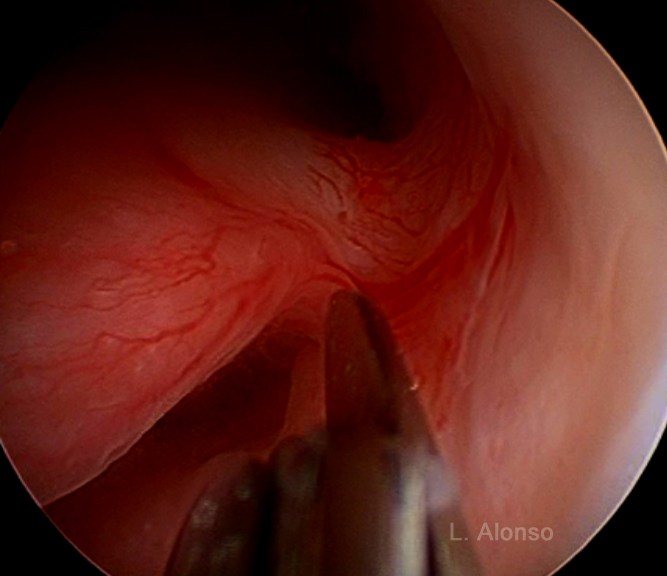
In general, it is recommended to excise any symptomatic polyp. If the polyps are asymptomatic, it seems appropriate to simplyContinue Reading

Adenomyosis is a benign condition characterized by the presence of endometrial glands and stroma invading the myometrium with the presenceContinue Reading

Endometrial polyps are areas of growth of endometrial tissue inside the uterine cavity. They are composed of stroma, glands andContinue Reading

 Hysteroscopy Newsletter