
Retained Products of Conception
The concept of placental polyp (retained products of conception) refers to the presence of placental, or deciduous fetal remains,Continue Reading

The Hysteroscopy Newsletter Blog is a new tool created to support all the hysteroscopists around the world, with the aim to facilitate an open communication and sharing of new ideas, details about procedures and innovation between all providers who are passionate for Hysteroscopy
The concept of placental polyp (retained products of conception) refers to the presence of placental, or deciduous fetal remains,Continue Reading

The use of operative hysteroscopy in acute uterine bleeding that does not respond to medical treatment is a changeContinue Reading
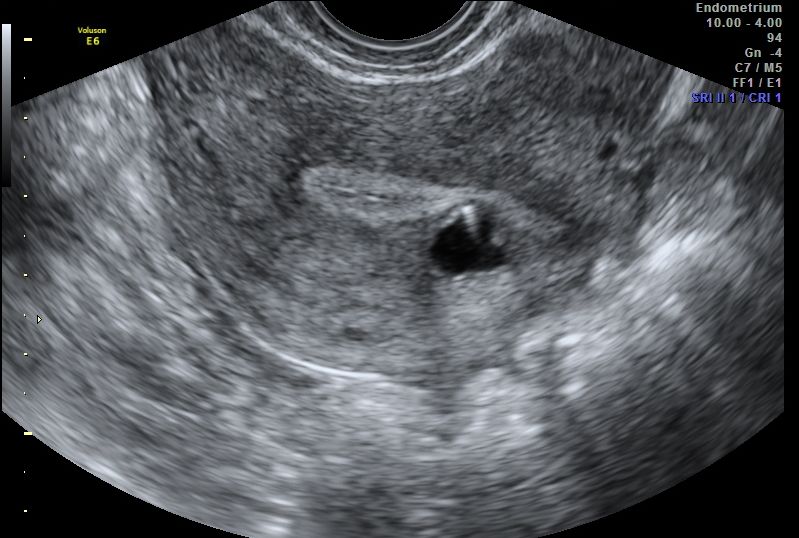
Adenomyosis refers to the presence of ectopic glandular tissue, located deep in the myometrum. A 2014 review by Vercillini concludedContinue Reading
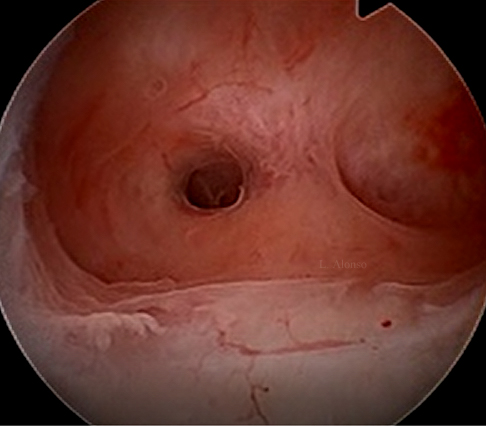
The first case of intrauterine adhesion was published in 1894 by Heinrich Fritsch, but it was only after 54Continue Reading

Cervical polyps are the most frequent primary tumor of the uterine cervix, with an estimated incidence of up to 30%Continue Reading
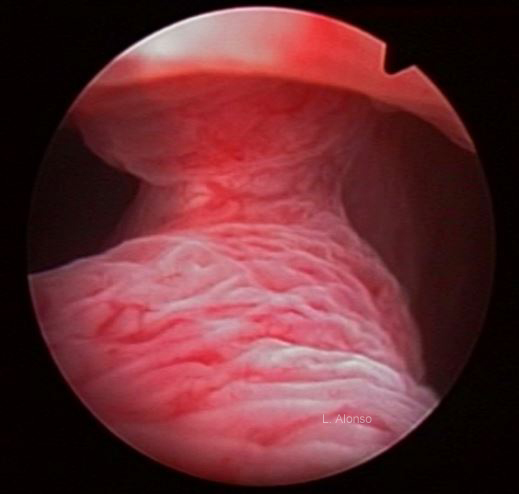
The septate uterus is the result of a failure in the process of resorption of the medial septum that canContinue Reading

During pregnancy, patients with unicornuate uterus should be monitored due to risk of premature rupture of membranes and preterm birthContinue Reading
Keep your hysteroscope handy in your office at all times and ready to use. Don’t have one? Then advocate thatContinue Reading
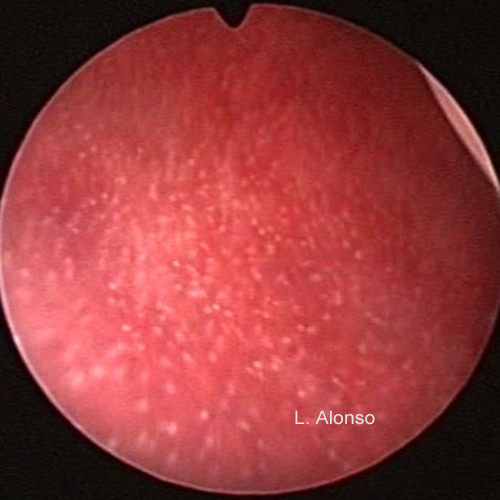
These changes occurring during the endometrial cycle, give the endometrium different hysteroscopic patterns typical of each phase, allowing the assessmentContinue Reading

Late postpartum hemorrhage due to retained products of conception is a not infrequent obstetrical complication. The use of Doppler ultrasoundContinue Reading

 Hysteroscopy Newsletter