
Evolution of endometrial hyperplasia
Endometrial hyperplasia is an overgrowth of endometrial glands, with different shapes and sizes, which causes increased endometrial thickness which resultsContinue Reading

The Hysteroscopy Newsletter Blog is a new tool created to support all the hysteroscopists around the world, with the aim to facilitate an open communication and sharing of new ideas, details about procedures and innovation between all providers who are passionate for Hysteroscopy
Endometrial hyperplasia is an overgrowth of endometrial glands, with different shapes and sizes, which causes increased endometrial thickness which resultsContinue Reading

The inflammation of the cervix is divided into two categories according to the etiology causing the inflammation. Noninfectious endocervicitis originatesContinue Reading
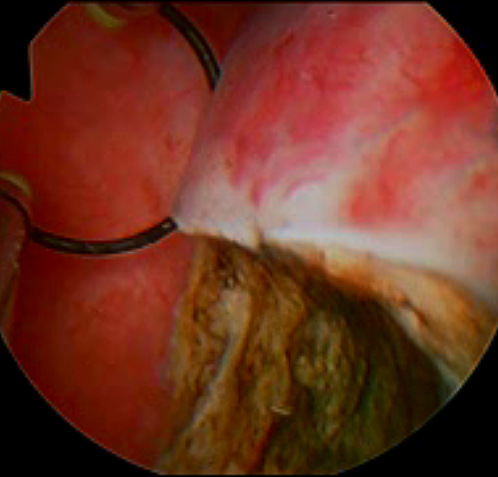
Fibroids or myomas are benign, monoclonal tumors of the uterus, mostly composed of smooth muscle cells and extracellular matrix. TheyContinue Reading
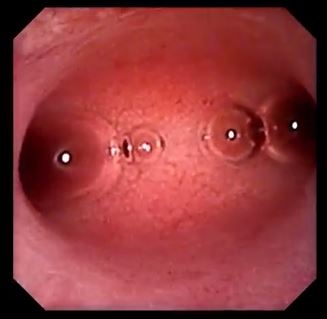
Hysteroscopists have seen air bubbles disperse through the ostia intraoperatively and wondered whether this truly reflects tubal patency. This uncertaintyContinue Reading
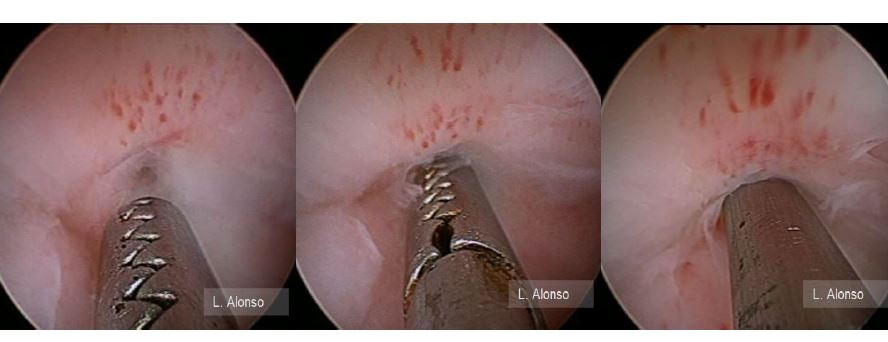
Hysteroscopic surgical techniques have advanced to include more endometrial ablation devices, bipolar electrosurgery, hysteroscopic sterilization, and morcellators. As residents completeContinue Reading
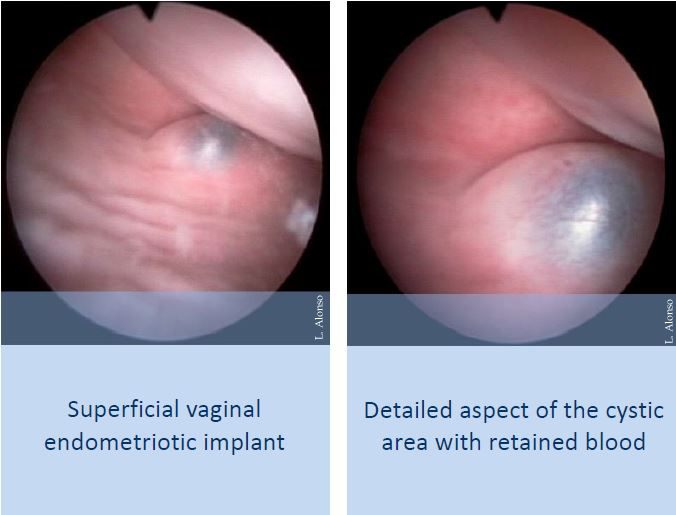
Recto-vaginal deep infiltrating endometriosis (DIE) is defined by the presence of endometrial tissue, muscle hyperplasia and fibrosis of more thanContinue Reading

The appearance of calcium deposits on the copper portion of intrauterine devices (Copper IUD) is a well-known and documented fact.Continue Reading
Until now, the only way to take an endometrial biopsy after “no touch” hysteroscopy (vaginoscopic hysteroscopy) was to use aContinue Reading
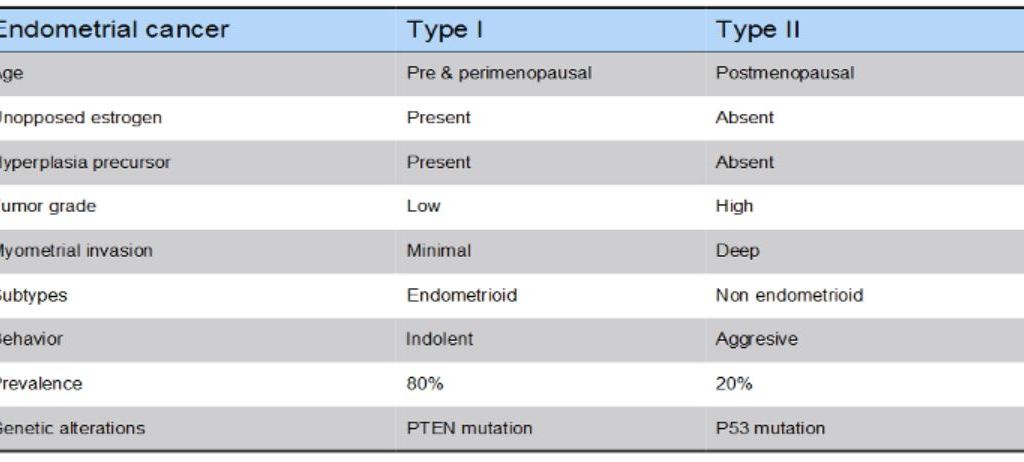
Since the work of Bokhman, endometrial cancer has been divided histologically into two types, type I and type II. TypeContinue Reading

This textbook is designed in such a way that it gives complete knowledge about the uterus, i.e. anatomy, physiology, instrumentsContinue Reading

 Hysteroscopy Newsletter